Normal production
Run the agreed product or part mix for production identification using cable and wire identification labels at your intended operating pattern.
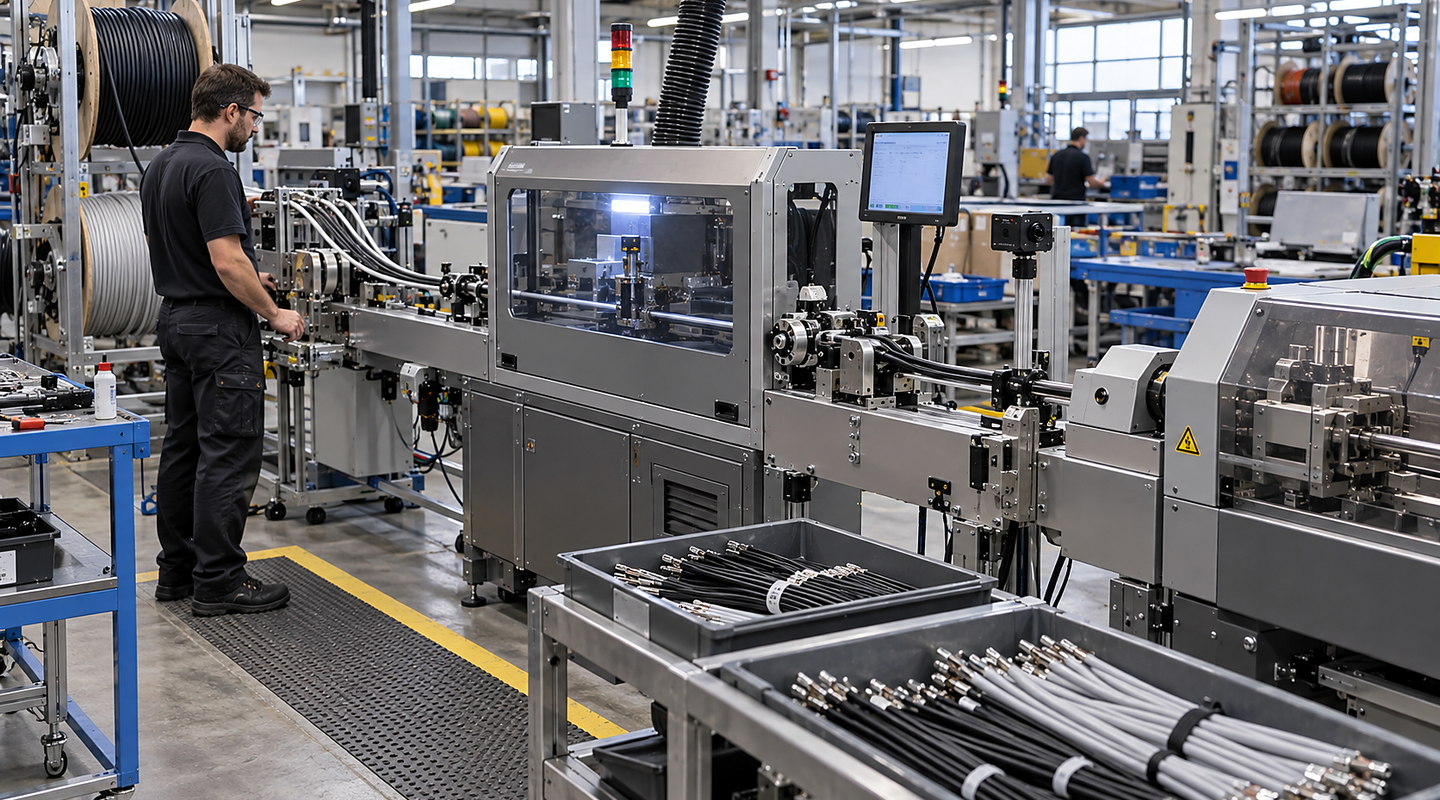
Plan production identification using cable and wire identification labels around real identifiers, substrates, production data and system interfaces, line connections, operating limits, acceptance checks and next steps.
A cable label layout must work on the installed cable and match the wiring record. Compare wrap, flag and sleeve arrangements against the actual diameter, access and application sequence, then check the identifier at both ends of the connection.
Plan cable label printing around your identifiers, substrates, production events, system interfaces, exceptions and verification records. Discuss a practical data-flow approach with Oxford Traceability. For production identification using cable and wire identification labels, the deciding details include identifier and data rules for cable & wire identification labels, production speed and read-point conditions and verification, retention and reconciliation evidence.
Discuss your application
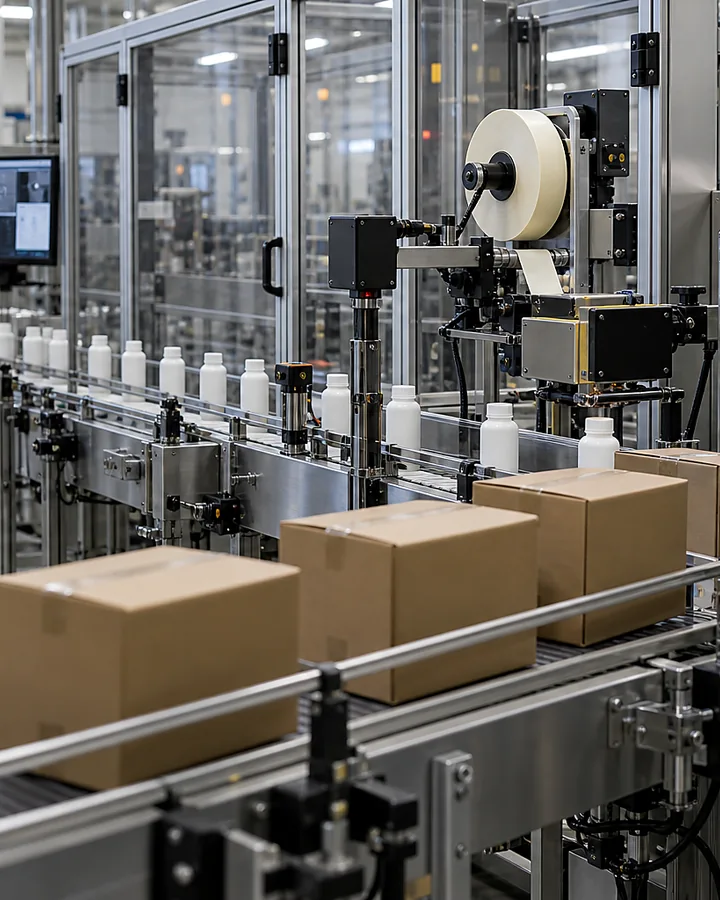
A cable label layout must work on the installed cable and match the wiring record. Compare wrap, flag and sleeve arrangements against the actual diameter, access and application sequence, then check the identifier at both ends of the connection.
Decide whether the printed value identifies the circuit, cable, core or terminal. Document any end-specific suffix so two intentionally related labels are not treated as accidental duplicates. Keep the source schedule revision alongside the print job; a perfectly printed marker from an obsolete drawing can still identify the wrong connection.
Trial the smallest and largest outside diameters with the intended label construction. Check whether an overlap covers characters, a flag catches during pulling or a sleeve moves away from its viewing position. For a fitted cable, assess the view through the actual bundle and enclosure rather than only on a straight loose sample.
A sleeve that must pass over an unterminated end needs a different sequence from a wrap label applied after termination. Include stripping, crimping, routing and final inspection in the work instruction. Define how the operator keeps loose markers paired with the correct cable when several similar lengths are on the bench.
Agree the print order, number of markers per connection and treatment of unused labels. Reconcile a revised cable schedule with labels already printed or fitted. Reprints should retain the intended cable identity while recording why another physical marker was needed; allocating an unrelated new identity could break the drawing relationship.
As a planning example, a harness has twelve cables requiring one marker at each end. Twenty-four printed markers are expected, but the release check is twelve correct end-to-end associations, not simply twenty-four labels leaving the printer. If one cable is replaced, identify the affected pair and drawing reference before authorising replacement markers.
For the next step, discuss this application using the examples and unresolved decisions above.
Include replenishment, normal production, planned change, short stops, fault recovery, cleaning and maintenance for production identification using cable and wire identification labels. A fast automatic step can still leave your team with a slow or awkward overall process.
Run the agreed product or part mix for production identification using cable and wire identification labels at your intended operating pattern.
Include credible extremes for identifier and data rules for cable & wire identification labels and substrate, label or tag behaviour.
Show how the proposed solution detects a problem affecting production identification using cable and wire identification labels, responds safely, informs your team and restarts under control.
Compare with Data Integration and Exception Handling for Cable and Wire Identification Labels if that operating pattern is closer to your application.